

About the condition
Paralysis means loss of muscle function in part of the body. Hemiplegia affects one side of the body, while hemiparesis describes weakness rather than complete loss of movement. These often follow a stroke but can also result from other neurological conditions.
Rehabilitation is based on the principle that the nervous system can adapt with repeated practice. Consistent, focused exercise can help patients regain control, strength and function, although the amount of recovery varies from person to person.
Common symptoms to look out for
- Weakness or loss of movement on one side of the body
- Difficulty with balance, standing or transferring
- Reduced control of the arm, hand or leg
- Muscle stiffness or spasm in affected limbs
- Difficulty with walking or a changed gait
- Reduced independence in daily tasks
This information is general in nature. It is not a diagnosis, and individual situations vary. A physiotherapist can assess your specific condition.
How physiotherapy may help
Treatment is based on assessment findings and your goals. Approaches commonly used include:
Assessment
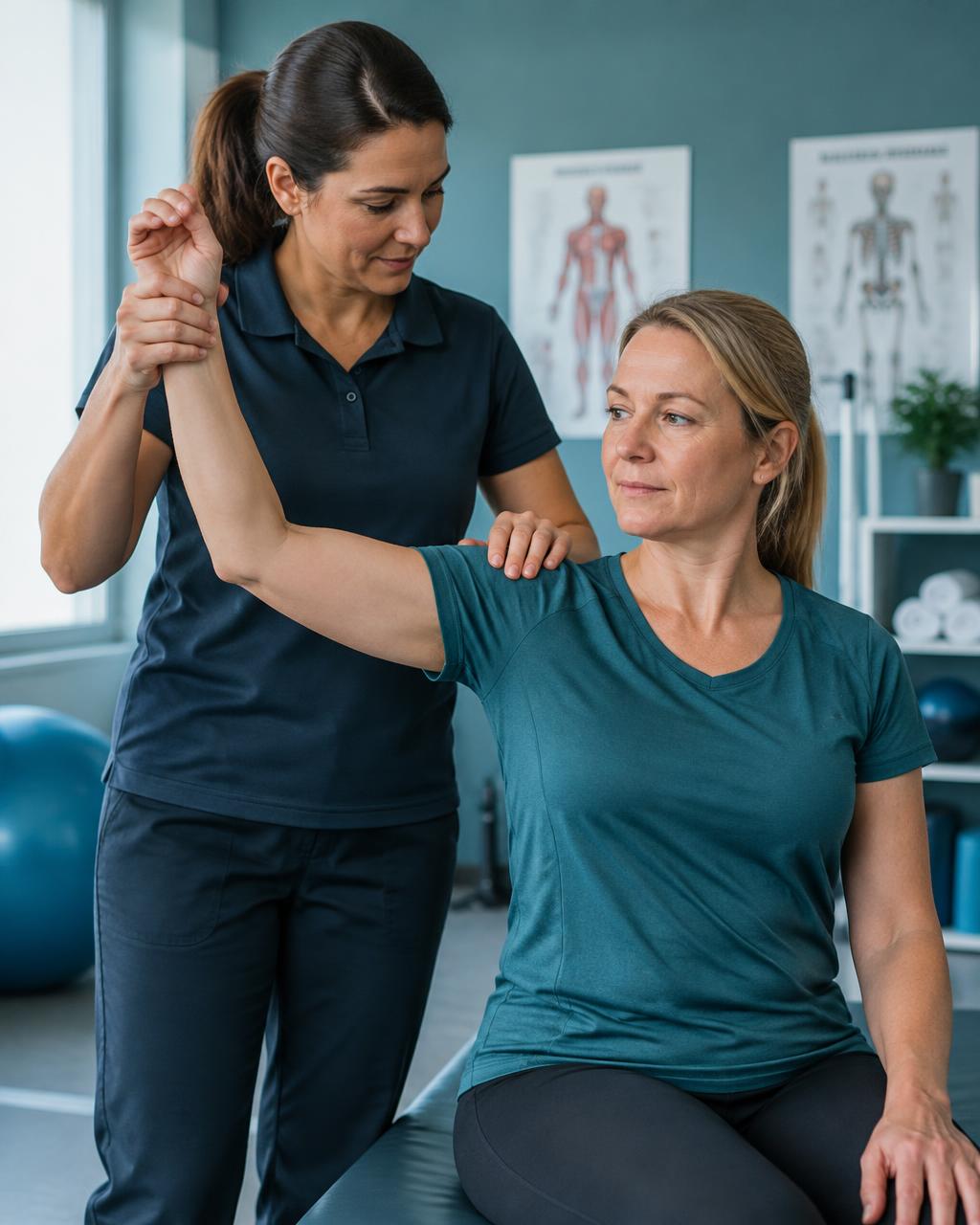
The physiotherapist assesses movement, strength, tone, balance and functional ability, and discusses goals with the patient and family.
Therapeutic exercises
Repetitive, task-focused exercise helps retrain movement and build control in affected limbs.
Balance and transfer training
Practice with sitting, standing and moving between positions improves safety and confidence.
Gait and walking training
Walking practice with appropriate support helps restore safe mobility.
Stiffness management
Positioning, stretching and movement work help manage muscle stiffness and keep joints flexible.
Functional rehabilitation
Rehabilitation targets real daily tasks so gains carry over into everyday life.
Physiotherapy aims to improve movement and function, but results vary from person to person. No specific outcome can be guaranteed.
Who may benefit
- Patients with hemiplegia or hemiparesis
- People with weakness after brain injury or neurological illness
- Patients needing balance and walking retraining
- Those working towards greater independence at home
- Families seeking structured rehabilitation support
What to expect during treatment
- 1
Initial assessment
The physiotherapist reviews history and current abilities, and examines movement, tone, strength and balance.
- 2
Identifying movement limitations
The assessment identifies which movements and daily activities need the most attention.
- 3
Personalised treatment plan
You receive a plan built around your condition and goals, with realistic expectations and a clear idea of what will be done at each session.
- 4
Exercise and rehabilitation
Treatment combines guided exercises, hands-on techniques where appropriate, and education about posture and movement you can continue at home.
- 5
Progress monitoring
Your physiotherapist reviews your progress regularly and adjusts the plan as your movement, strength and confidence improve.
Frequently asked questions
What is the difference between hemiplegia and hemiparesis?+
Hemiplegia is paralysis of one side of the body, while hemiparesis is weakness on one side. Both can follow a stroke or other neurological condition, and both benefit from rehabilitation.
Can physiotherapy help paralysis?+
Physiotherapy aims to improve movement, strength, balance and function through repeated, guided practice. The amount of recovery varies widely and depends on the cause and extent of the condition.
How long does rehabilitation take?+
Rehabilitation is usually a long-term process measured in months. Progress is often gradual, and goals are reviewed regularly with the patient and family.
Can improvement still happen after a long time?+
Many patients continue to make functional gains with consistent practice, even well after the initial event. A physiotherapist can help identify realistic goals.
What can family members do?+
Family members can support daily exercise practice, safe transfers and encouragement. The physiotherapist can demonstrate safe ways to assist.
Do you work with patients who need walking aids?+
Yes. Rehabilitation may include advice on and practice with walking aids or support where these help safe mobility.
Related services
Stroke Rehabilitation
Movement, balance and functional rehabilitation after stroke, tailored to the patient's needs and recovery goals.
Geriatric Physiotherapy
Physiotherapy for older adults focused on balance, fall prevention, walking and everyday independence.
Bell's Palsy Physiotherapy
Facial rehabilitation for Bell's palsy, focused on muscle control, movement and functional recovery support.
Need Physiotherapy in Nepalgunj?
Book an Appointment with Nepalgunj Physiotherapy Clinic for Paralysis Rehabilitation. Call or message us to discuss an assessment and a treatment plan suited to your needs.
Phone9858023674
Location3J38+25 Nepalgunj, Banke, Lumbini Province, Nepal